How to Write a Cover Letter for a Job
5 min read
Key Takeaways
- One page maximum — recruiters spend seconds on an initial scan
- Personalize every letter to the specific company and role
- Lead with a strong hook, not "I am writing to apply…"
- Back up every claim with a concrete, measurable result
- Close with a direct call to action, not a passive hope
Writing an effective cover letter is essential to making a good impression on recruiters. A well-crafted cover letter can set you apart from dozens of other applicants — even when your resume looks similar to theirs. Here are the key steps to writing one that works.
1. Use a Clear, Professional Structure
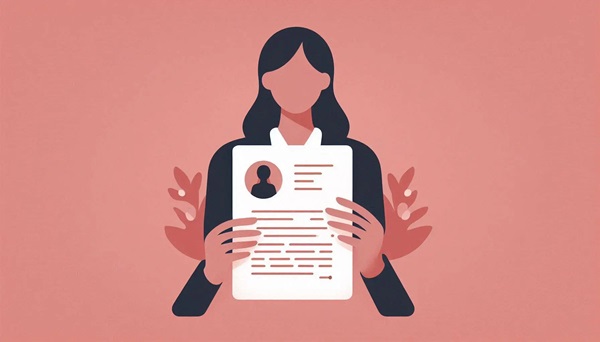
A cover letter generally consists of four parts:
- Header: Your contact details (name, phone, email) and the recruiter's information.
- Introduction: Briefly introduce yourself, state the position you're applying for, and explain how you found the opportunity.
- Body: Highlight your skills, experience, and qualities relevant to the role. Show you understand what the company needs.
- Conclusion: Reaffirm your motivation, express availability for an interview, and close politely.
2. Personalize Every Letter
Never use a generic letter. Tailor your cover letter for each position. Recruiters can immediately tell when a letter is copy-pasted — and they'll move on. Show that you've done your homework:
- Research the company's history, values, and recent news.
- Explain specifically why this company appeals to you — their mission, their culture, or a recent project.
- Mirror the language used in the job posting to show alignment.
3. Highlight Your Most Relevant Skills
Don't list everything — focus on what matters most for the job:
- Hard skills: Software, tools, certifications, or technical abilities required by the role.
- Soft skills: Communication, leadership, problem-solving, adaptability.
- Concrete examples: Back up your claims with real results — "increased sales by 20%", "managed a team of 8 people", "reduced processing time by half".
4. Keep It Short and Focused
One page maximum. Recruiters spend an average of 7 seconds on an initial scan. Use short, direct sentences and avoid repetition. Every sentence must earn its place.
5. Nail the Tone
Your letter must feel professional but human. Avoid overly formal stiffness ("I hereby submit my application for the aforementioned position") — it sounds robotic. Write like a confident professional, not a legal document.
- Proofread at least twice — spelling errors kill applications instantly.
- Read it aloud: if it sounds odd, rewrite it.
- Ask someone else to review it before submitting.
6. Write a Strong Opening Hook
Don't start with "I am writing to apply for…" — everyone does that. Try something like:
- "With 5 years driving logistics operations in fast-paced environments, I was excited to find [Company]'s open Transportation Manager role."
- "Your mission to expand affordable healthcare across rural America is exactly why I'm passionate about this Nurse Practitioner opening."
7. Close with Confidence
End with a clear call to action. Don't be passive. Instead of "I hope to hear from you," try:
"I would welcome the opportunity to discuss how my background fits your needs. I'm available for an interview at your convenience and can be reached at [phone] or [email]. Thank you for your time and consideration."
Ready-to-Use Cover Letter Template
[Your Name]
[Phone] | [Email] | [LinkedIn]
[Date]

[Recruiter Name], [Title]
[Company Name]
[Company Address]

Subject: Application for [Job Title]

Dear [Mr./Ms. Last Name],

Currently [your situation], I am applying for the [Job Title] position at [Company],
which I discovered through [source]. With my experience in [your expertise], I am
confident I can contribute to your team by [specific value you bring].

At [Previous Company], I [concrete achievement]. I am particularly drawn to [Company]
because of [specific reason — values, project, mission].

I would be delighted to discuss my application in an interview.
Thank you for your consideration.

Sincerely,
[Your Signature]
Frequently Asked Questions
How long should a cover letter be?
One page maximum — ideally 3 to 4 short paragraphs. Recruiters spend an average of 7 seconds on an initial scan, so brevity and clarity matter more than length.
Should I always send a cover letter?
Yes, whenever the application allows it. A well-written cover letter consistently improves your chances, even when employers say it's optional. It gives you a chance to address gaps, explain a career change, or show personality that a resume cannot.
What is the biggest cover letter mistake?
Using a generic, copy-pasted letter is the most common and damaging mistake. Recruiters recognize templated letters immediately and discard them. Every letter should reference the specific company and role by name.
How do I start a cover letter if I have no experience?
Lead with your strongest transferable skill or a relevant achievement — even from school, volunteer work, or a personal project. Show enthusiasm for the specific role and company, and focus on what you bring rather than what you lack.